



Sapphire FUE hair transplant in Turkey
An FUE method in which grafts are removed one by one and the recipient channels are opened with a sapphire blade.

What is Sapphire FUE?
Sapphire FUE (Follicular Unit Extraction) is a hair transplant approach in which hair follicles are removed one by one from the donor area with microsurgical instruments and transplanted to the area that needs them. Its defining feature is the use of special medical blades made of sapphire crystal at the channel-opening stage.
The geometry of sapphire blades allows the size, direction and angle of the channels to be planned precisely. Throughout the procedure, the plan is based on your hair characteristics, your donor capacity, the needs of the recipient area and your anatomy.
The width, angle and direction of each channel determine how the new hair will sit. The blade width is matched to the graft size; the angle and direction are planned to follow the natural flow of your existing hair.
Why do channel angle and direction matter?
Each hair leaves the skin at a certain angle and in a certain direction. Published reviews highlight three conditions for a natural look: a gradual, slightly irregular hairline, single-hair grafts at the very front, and a channel angle and direction kept consistent throughout.
Why does the time a graft spends outside the body matter?
Once removed, a graft survives without a blood supply until it is placed. The longer this lasts and the more the graft dries out, the more irreversible damage the cells can suffer. That is why grafts are kept moist in a holding solution and the waiting time is kept short.
Is a sapphire blade better than a steel blade?
Few published studies compare sapphire and steel blades, and their findings differ. The blade material alone does not determine the result; channel size and angle, careful handling of the grafts and the team's experience determine it together.

Who is it for?

May be suitable
- People whose donor area (back and sides of the head) has enough density
- People whose hair loss has stabilised or whose cause has been identified
- People with wider bald areas who accept a full shave
- People whose general health allows local anaesthesia

May not be suitable
- People with an insufficient donor area
- People whose hair loss is active and whose cause is not yet known
- People with an uncontrolled chronic illness (a doctor's approval is needed)
- People who do not want a full shave (DHI or an unshaven option is considered instead)
Representative images
Your doctor decides whether it suits you after an examination.
Compared with other techniques
- Shaving
- Shaven, unshaven and partially shaven
- Recovery
- Scabs are washed off around day 10
- Number of grafts
- Based on your needs and plan
Channel opening
- Sapphire FUEThis pageSapphire blade
- DHIImplanter pen, in one step
- Classic FUEMedical steel blade
- Micro FUESapphire blade; grafts taken with a micro punch
- Manual FUEMedical blade; grafts taken with a hand-controlled punch
- Diamond FUEMedical diamond blade
- FUTGrafts from a strip of skin; channels with a medical blade
- HED HybridSapphire and DHI technique
These figures are general information; your doctor confirms them. Your doctor decides how many grafts suit you.
Before the operation
Every operation planned with HED Health is tailored to the individual, from the pre-operative consultation to medical follow-up after the procedure. Each stage is assessed against the patient's anatomy, clinical needs and expectations.
- 01
Consultation and personalised planning
Before the operation, a specialist doctor assesses the patient's health, anatomy, expectations and clinical suitability for the procedure. A personalised operation plan is then drawn up.
- 02
Arrival and welcome in Istanbul
For patients who live outside Istanbul, we arrange airport pick-up, hotel transfers and accommodation.
- 03
Accommodation and early medical follow-up
So that the check-ups, dressing changes and medical assessments of the first three days after the operation can take place as planned, we recommend that patients coming from outside Istanbul stay in the city for at least 3 nights. The length of stay may vary with the type of operation and the patient's clinical needs.


Representative images
Surgery day
Eight stages in one day. Before each stage, we explain what will happen.


 Step 1
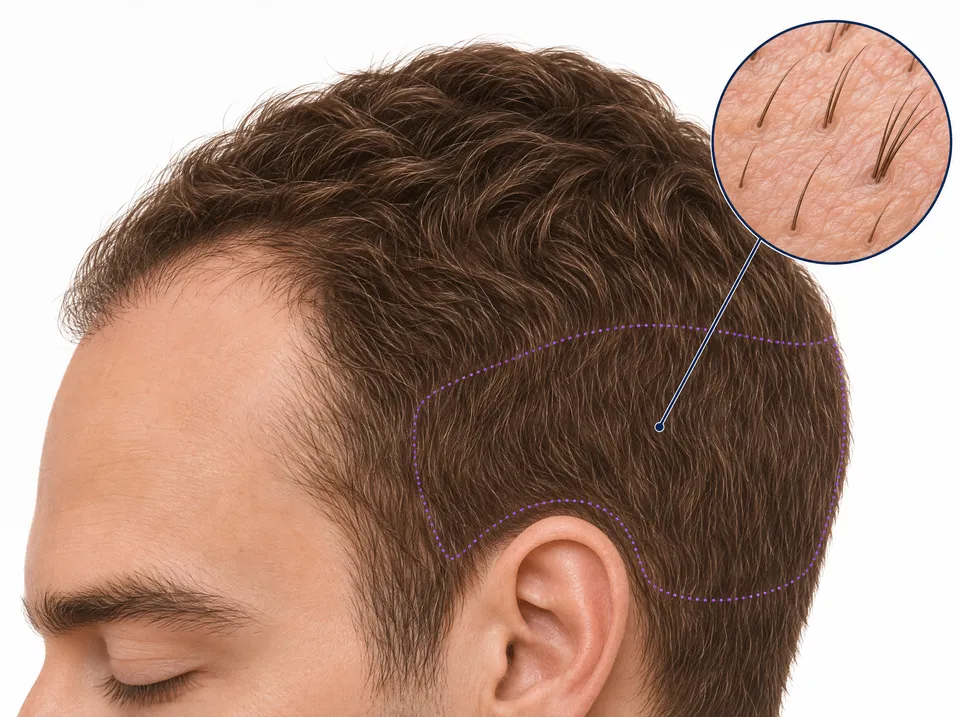
Personalised anatomical planning
The needs of the recipient area and the capacity of the donor area are assessed. A personalised surgical plan is prepared, taking into account the hair density in the donor area, hair shaft diameter (thickness in microns), and the structure and distribution of the hair follicles.
 Step 2
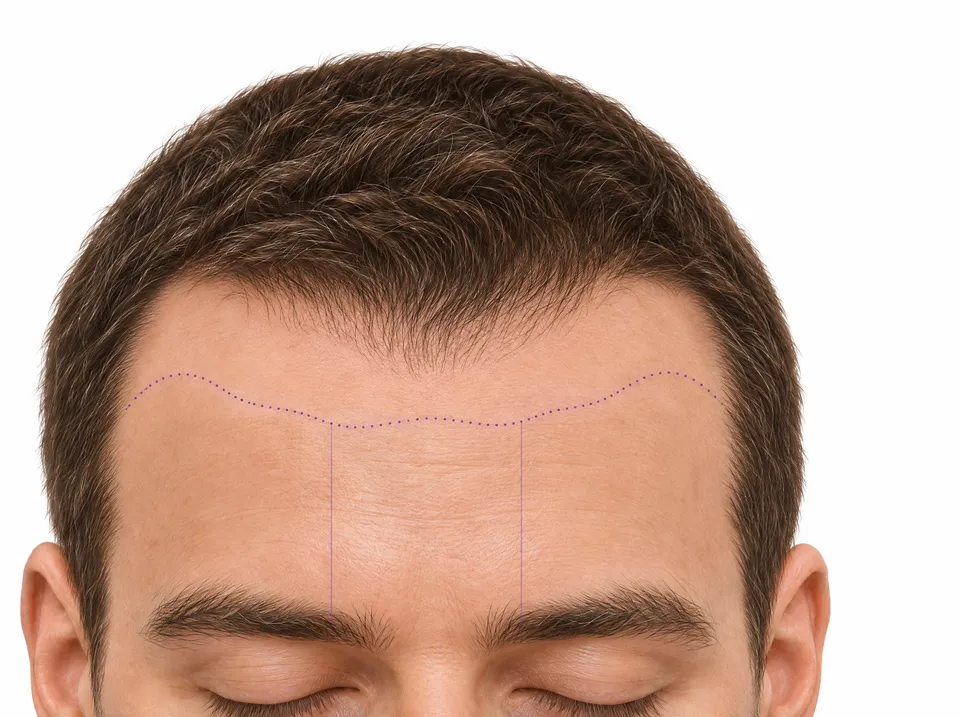
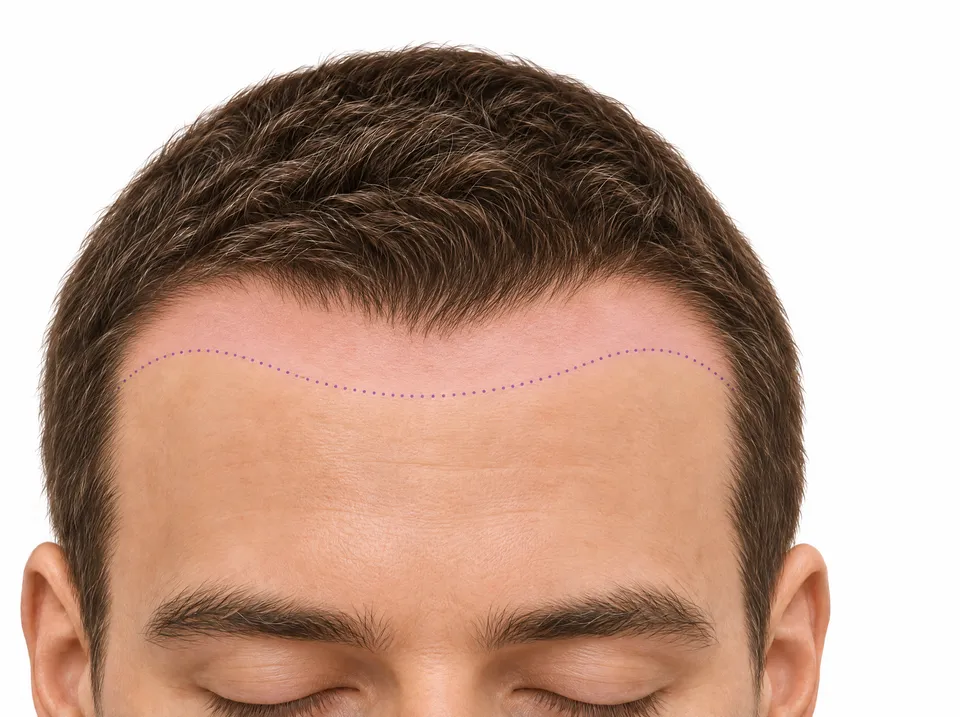
Hairline design
Your facial anatomy, forehead shape, facial features, age and existing hair are assessed to design a personalised hairline that fits a natural look. The design is based on facial proportions and anatomical measurements.
 Step 3
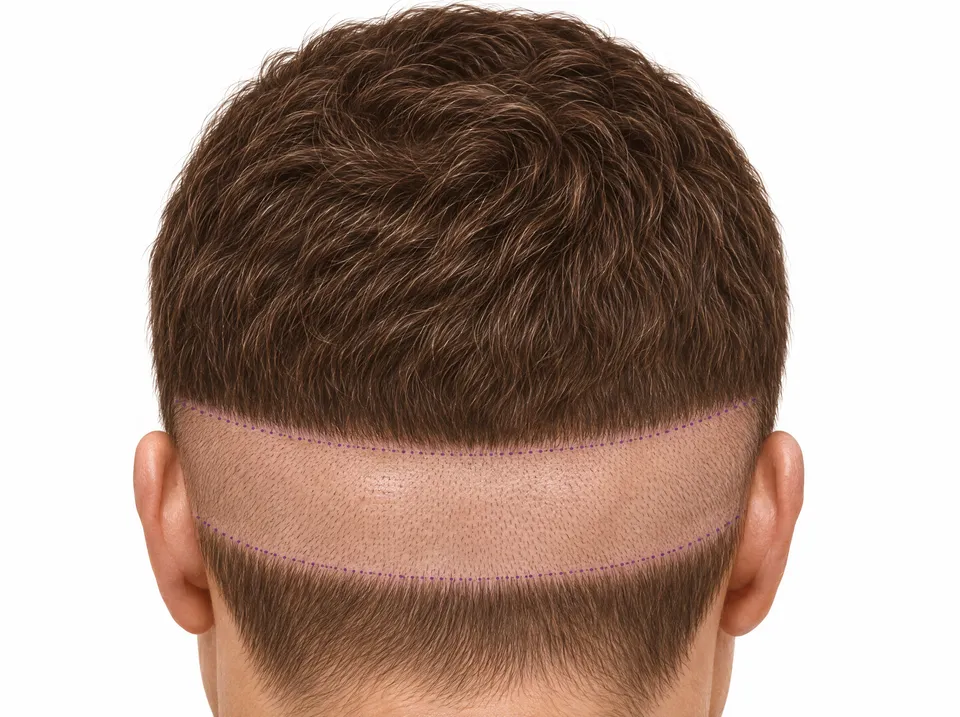
Local anaesthesia in the donor area
Local anaesthetic agents are applied to the donor area from which the grafts will be taken. This temporarily blocks sensory nerve conduction in the area and provides local anaesthesia at the surgical site.
 Step 4
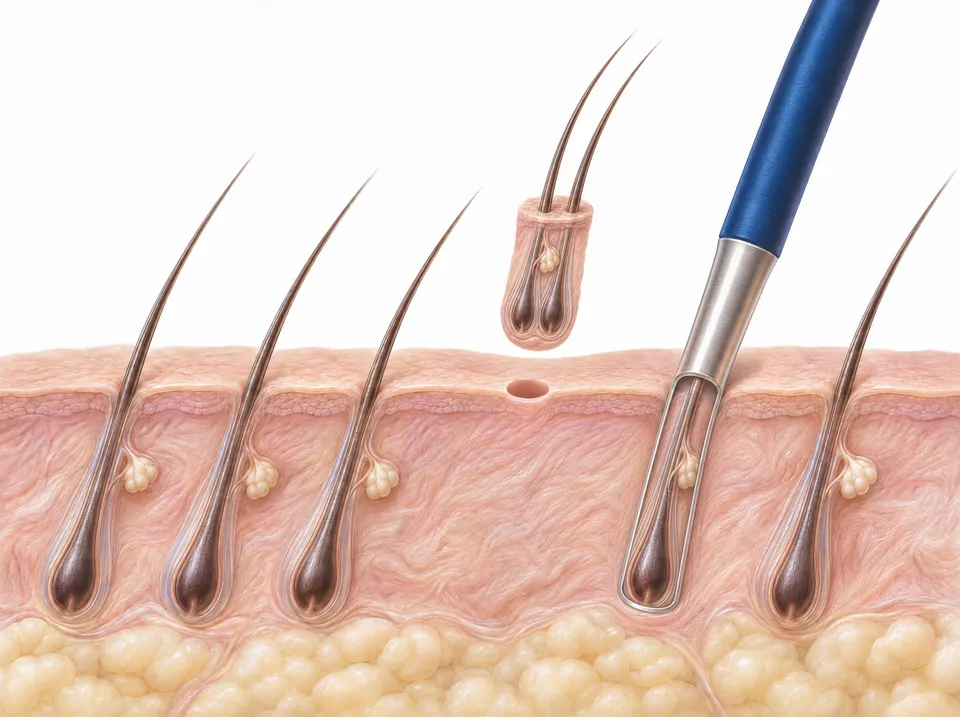
Graft extraction
Hair follicles in the donor area are removed one by one with suitable microsurgical instruments and collected. Throughout, the diameter, length and emergence angles of the hairs and the structure of each follicular unit are taken into account.
 Step 5
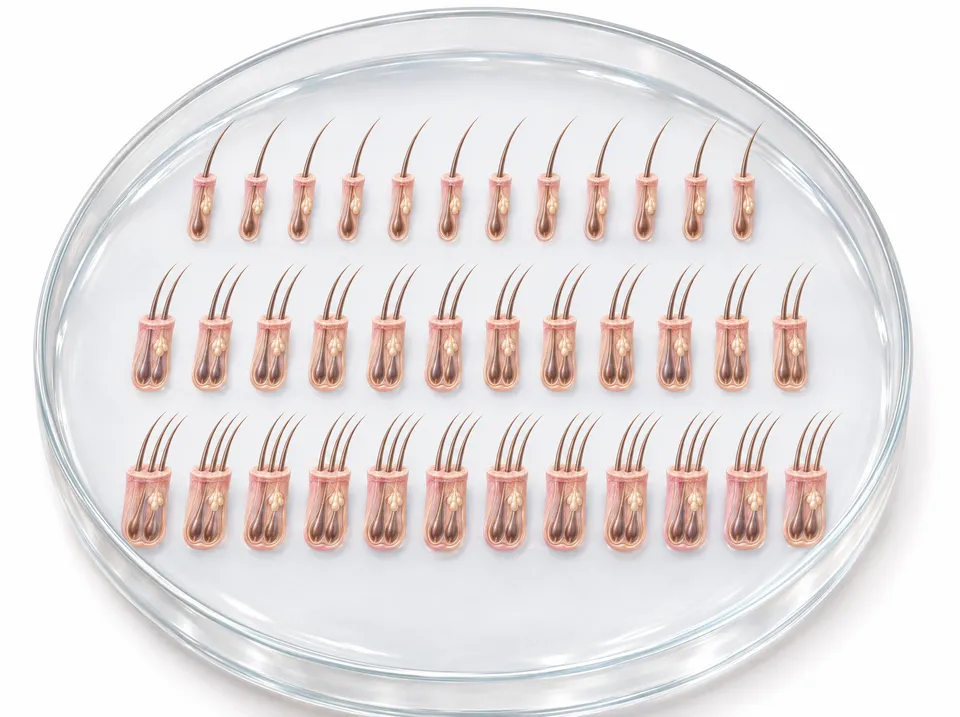
Sorting and arranging the grafts
The collected grafts are sorted by the number of hairs in each follicular unit and by their structural features. They are classified according to the surgical plan and kept in suitable storage conditions.
 Step 6
Local anaesthesia in the recipient area
Local anaesthetic agents are applied to the area where the hair will be transplanted. This temporarily blocks sensory nerve conduction in the area and provides local anaesthesia in the recipient area.
 Step 7
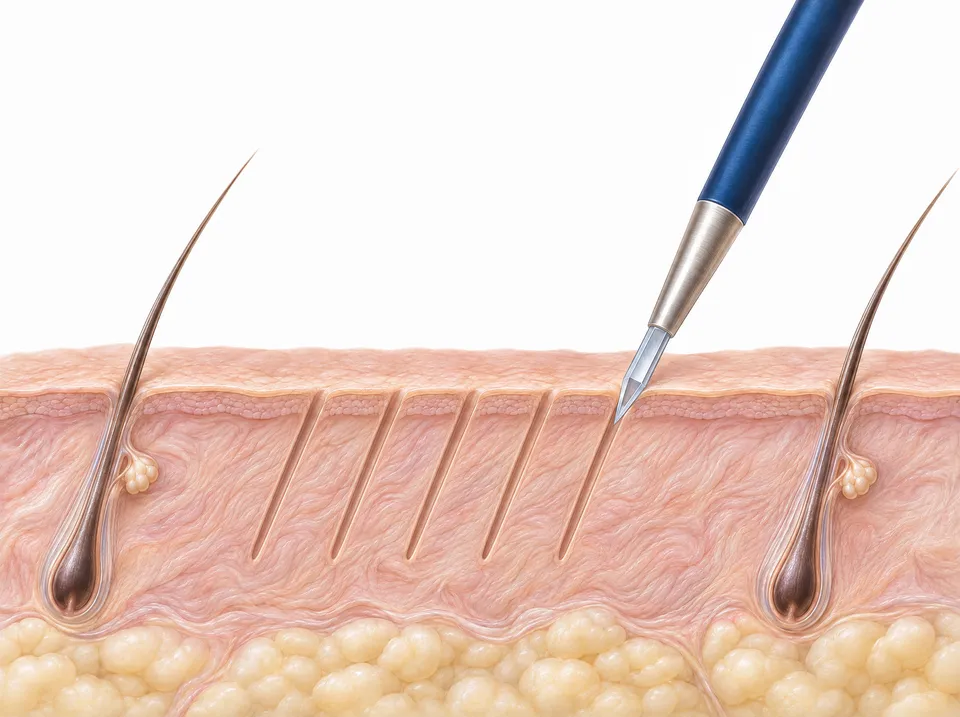
Opening channels with sapphire blades
Channels are created in the recipient area with special medical blades made of sapphire crystal. The geometry of the sapphire blades allows channel size and placement angles to be set precisely. The direction, angle, depth and distribution of the channels are planned according to the natural growth direction of your existing hair, the anatomical features of the grafts and the target density.
 Step 8
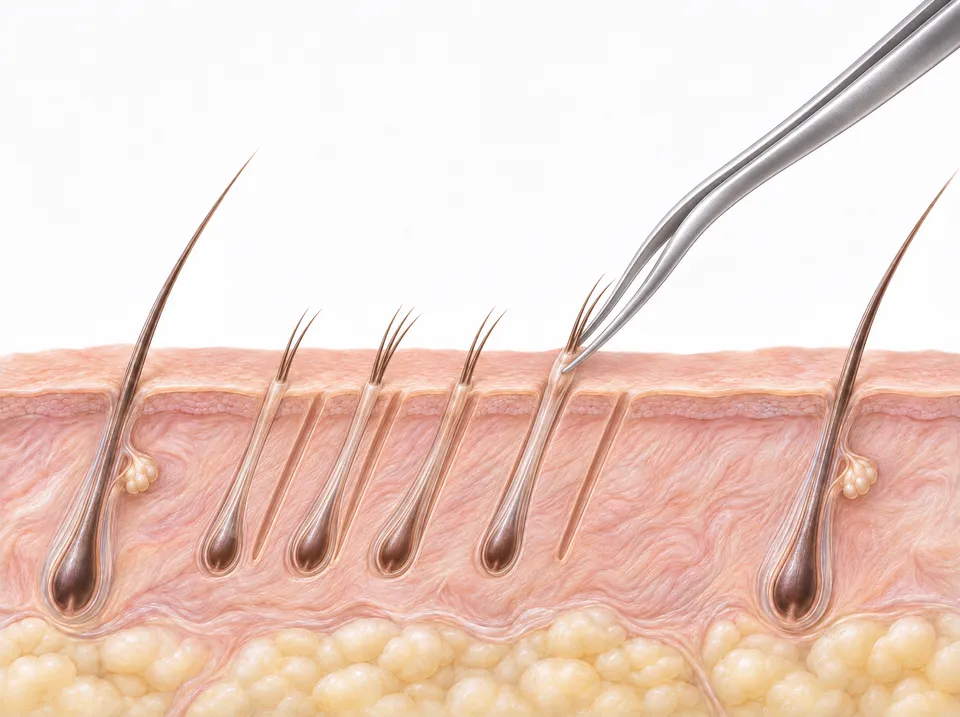
Placing the grafts (implantation)
The prepared grafts are placed one by one into the opened channels with suitable implanter pens or implantation forceps. During placement, the aim is for the direction, angle and distribution of the grafts to match the anatomical plan.
Representative images
The images are illustrations; no surgery photos are used.
Growth and follow-up timeline after a hair transplant


- The first two weeksDay 1
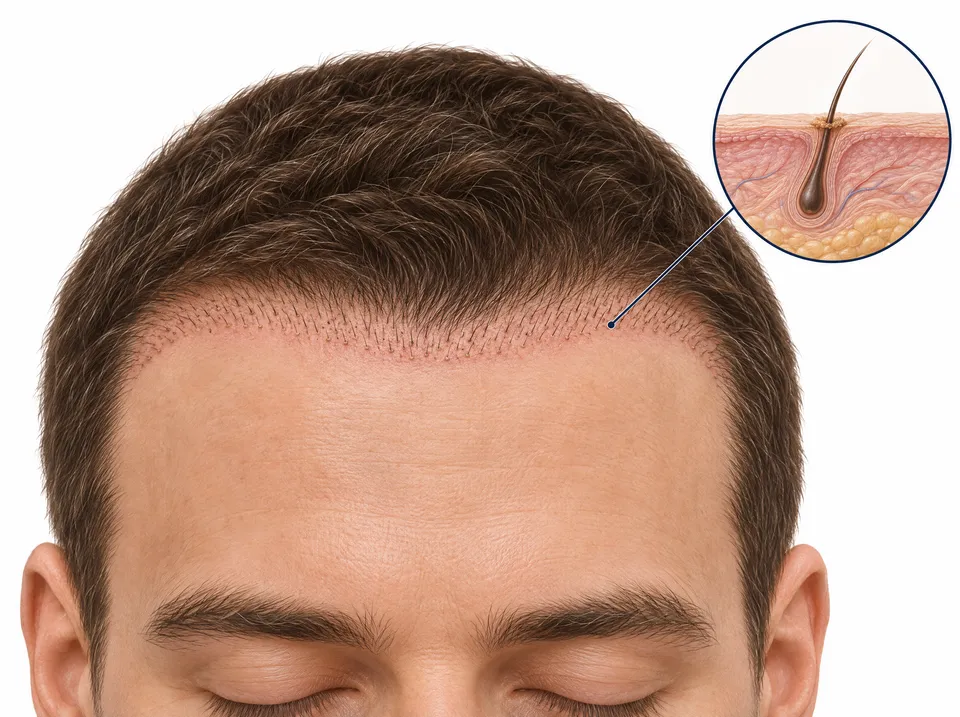
Surgery
The procedure is carried out according to your personalised operation plan.
- Day 2
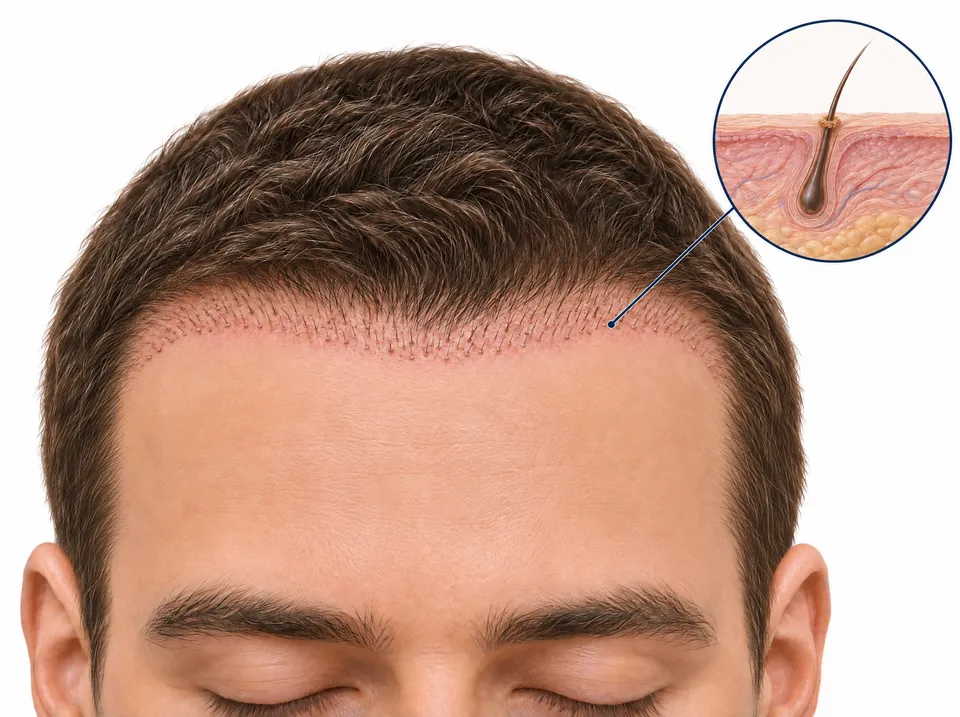
First check-up and dressing
The treated area is checked. The necessary medical assessment and dressing change are carried out.
- Day 3
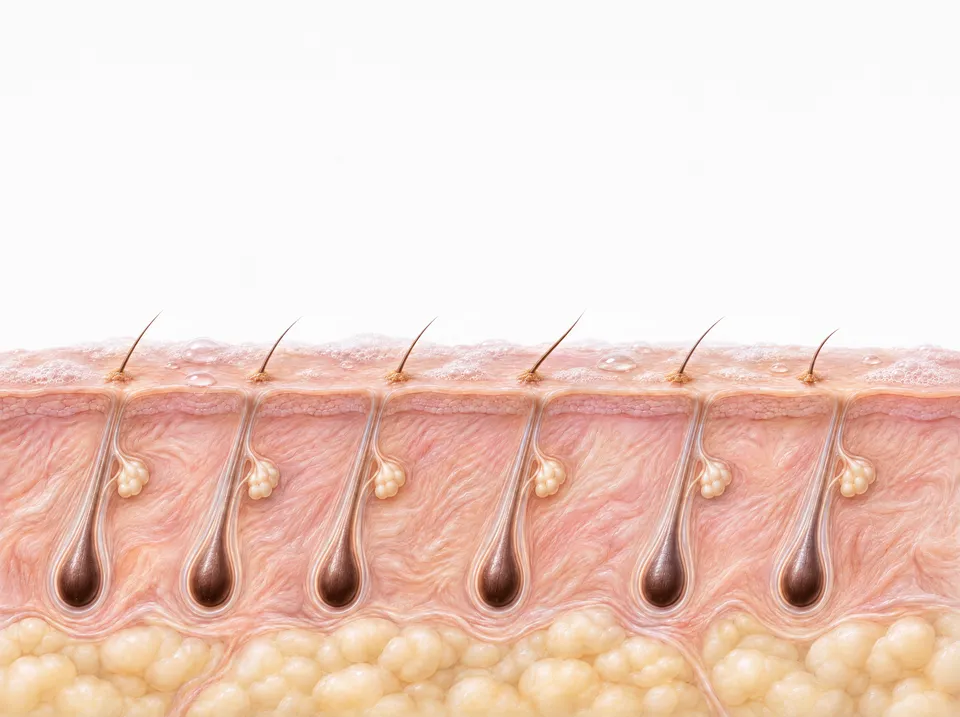
First care and check-up
Depending on the type of operation, the first care, check-up and follow-up steps are carried out. After a hair transplant, the first wash is done at this stage. The patient is given detailed information on what to look out for after the operation.
- Day 10
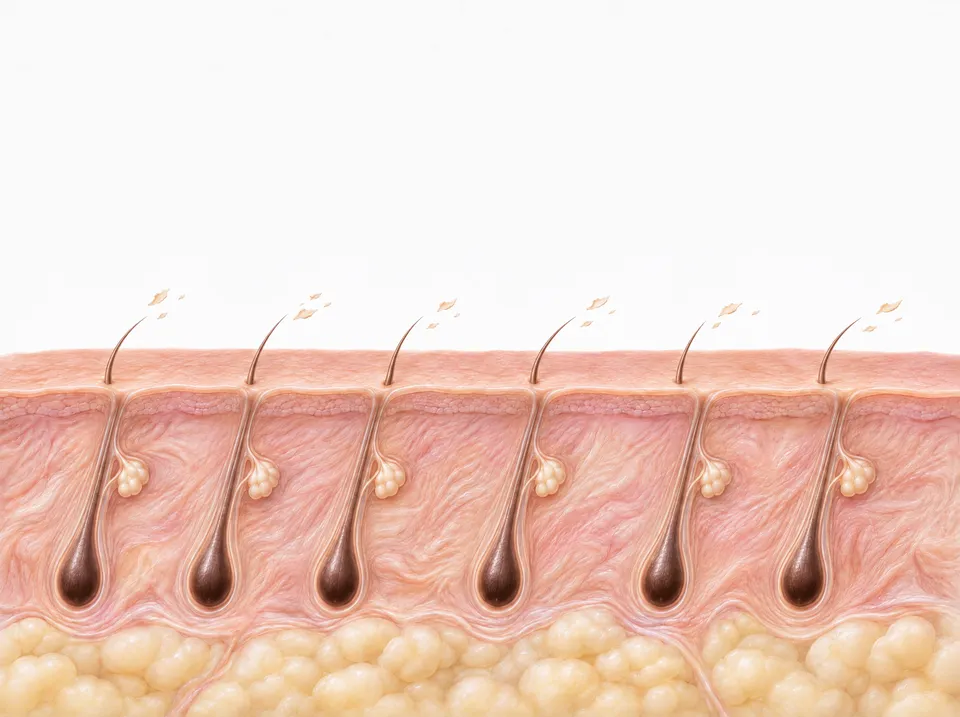
Scab-removal wash
A wash is carried out to remove the scabs in the treated area in a controlled way. How the scabs are cleared is judged by how the patient is healing.
- Day 15 – Month 3
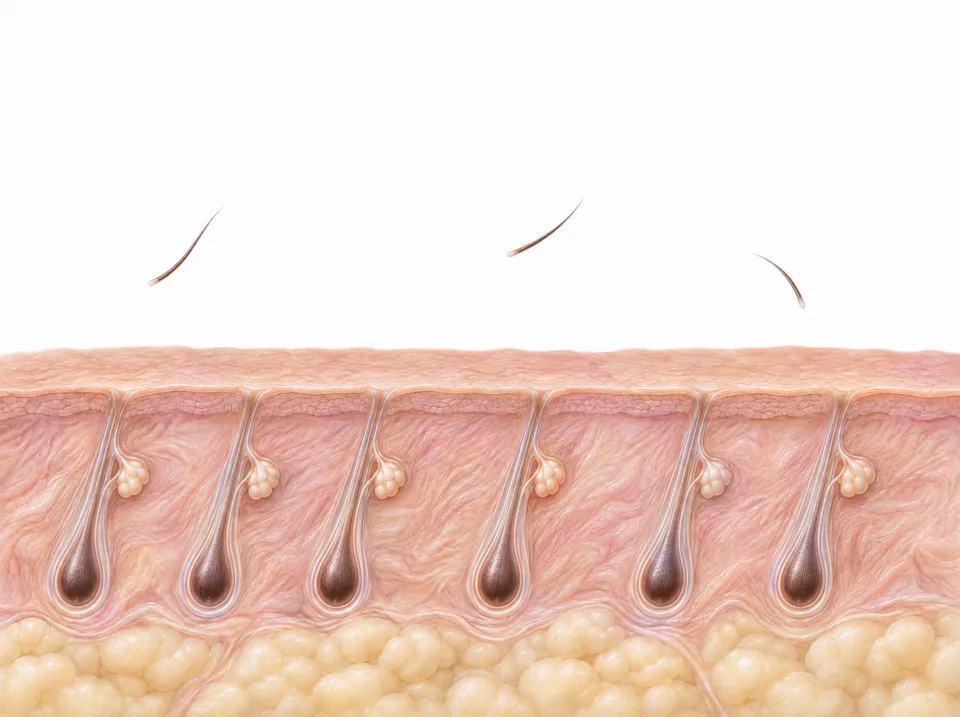
Shock loss period
Temporary shedding of the transplanted hairs may begin, and some of them may fall out during this period. This does not mean the hair roots have been lost: the follicles keep developing under the skin to produce new hair.
- Over the monthsMonth 3
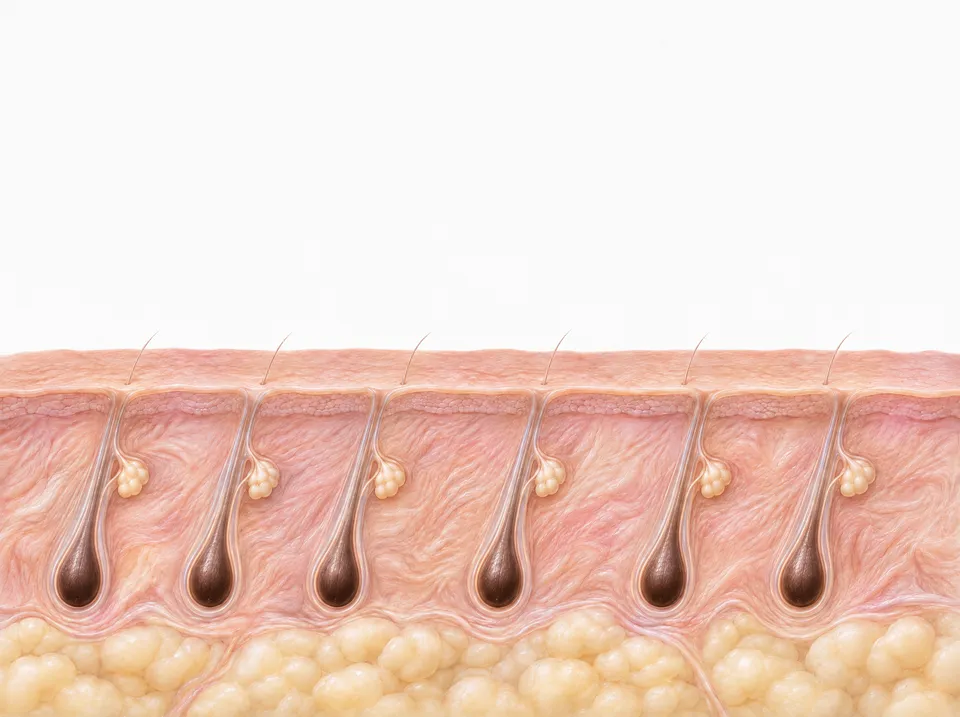
New hair appears
New hairs may start to become visible. The first hairs may be fine and grow in different directions.
- Months 4–6
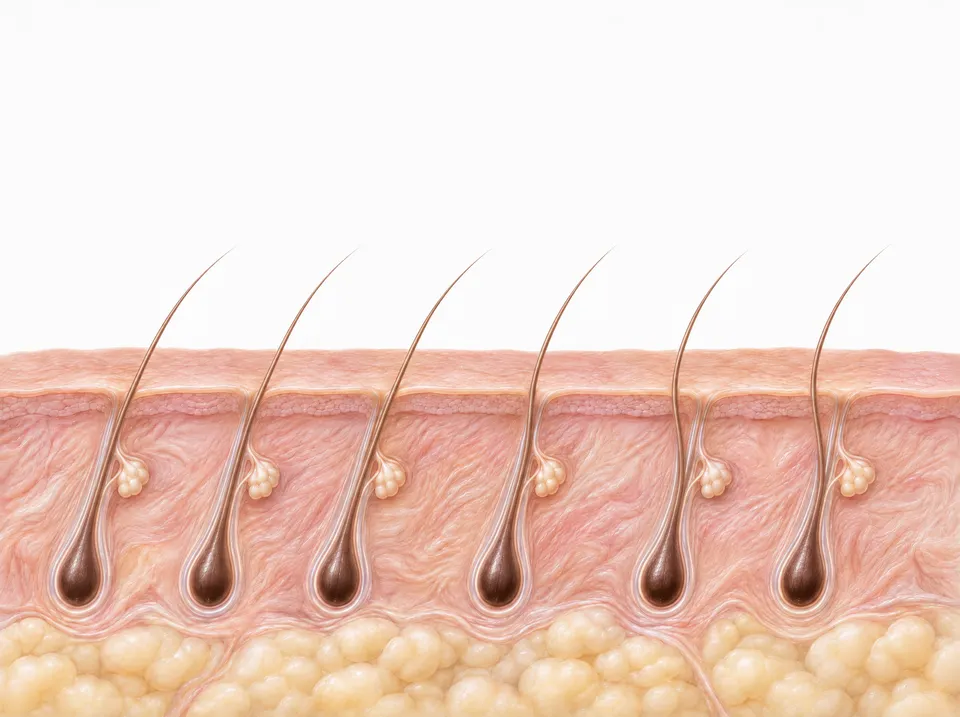
Growth and thickening
New hairs keep emerging, lengthening and thickening. A gradual increase in density may be seen.
- Months 8–12
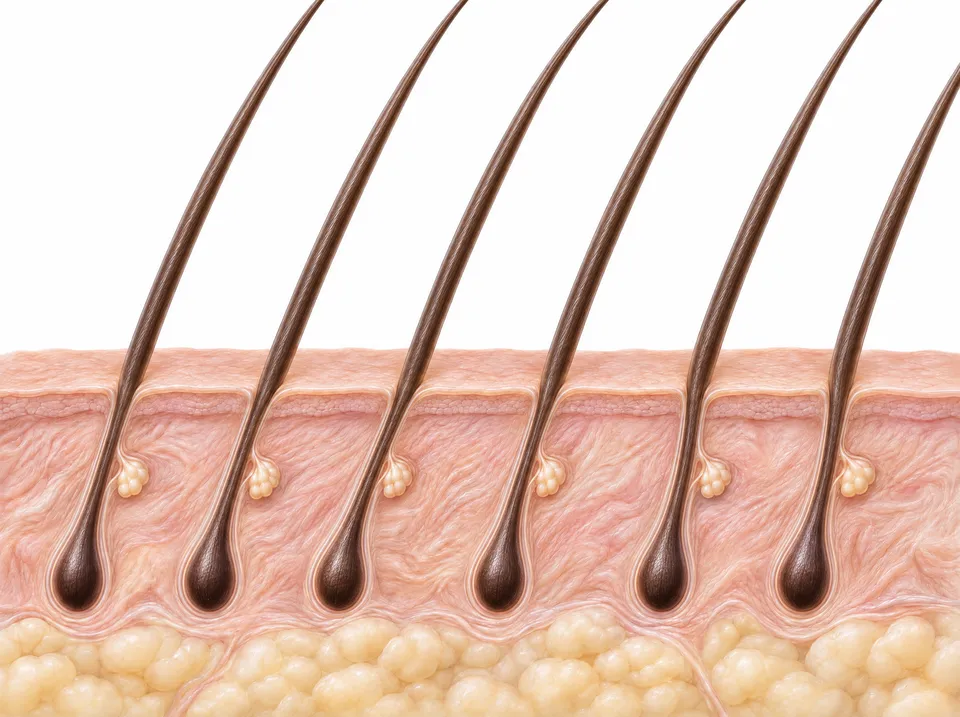
Results become clearer
Growth and thickening continue. The results of the operation become clearer during this period. The final assessment is based on the patient's hair growth and clinical condition.
General follow-up after the operation
At HED Health, we do not see aftercare as ending on the day of the procedure; our patients' recovery and follow-up are an important part of how we work.
The growth timeline above is general information for hair transplant operations. Check-up and recovery timelines for other operations are set separately, according to the type of procedure.
Because every operation is planned individually, recovery time, check-up intervals and results may differ from one patient to another. Follow-up and care advice is based on the specialist doctor's assessment.
Representative images
Timings are averages and vary from person to person. The drawings are schematic sections of the scalp.
Risks and side effects
Every procedure carries risks. Most are temporary; your doctor goes through each one with you before surgery.
Swelling
Around the forehead and eyes; it builds up on days 2–3 and usually settles on its own within 5–7 days. If it gets bad enough to close your eyes, message us.
Scabbing and itching
Normal around the grafts in the first 10 days; itching can last from a few days to a few weeks. If the scabs are still thick and stuck after day 14, message us.
Numbness
Reduced sensation in the donor or recipient area; in most cases it fades within weeks, and rarely takes a few months. If you notice burning or increasing pain, message us.
Shedding of surrounding hair
Your own hair around the recipient area may shed temporarily in weeks 2–8; regrowth usually begins around month 3. This is assessed at your check-ups.
Folliculitis
Small, pimple-like bumps at the hair roots, often while new hairs come through. If redness spreads or there is discharge, message us.
Infection
Rare; when it happens it is usually in the first 1–4 weeks. If you have a fever, increasing redness, warmth or discharge, message us without delay.
Lower density than expected
Graft survival varies from person to person and becomes clear in months 6–12. It is assessed at your check-ups and options are discussed if needed.
Related cases
All Sapphire FUE cases →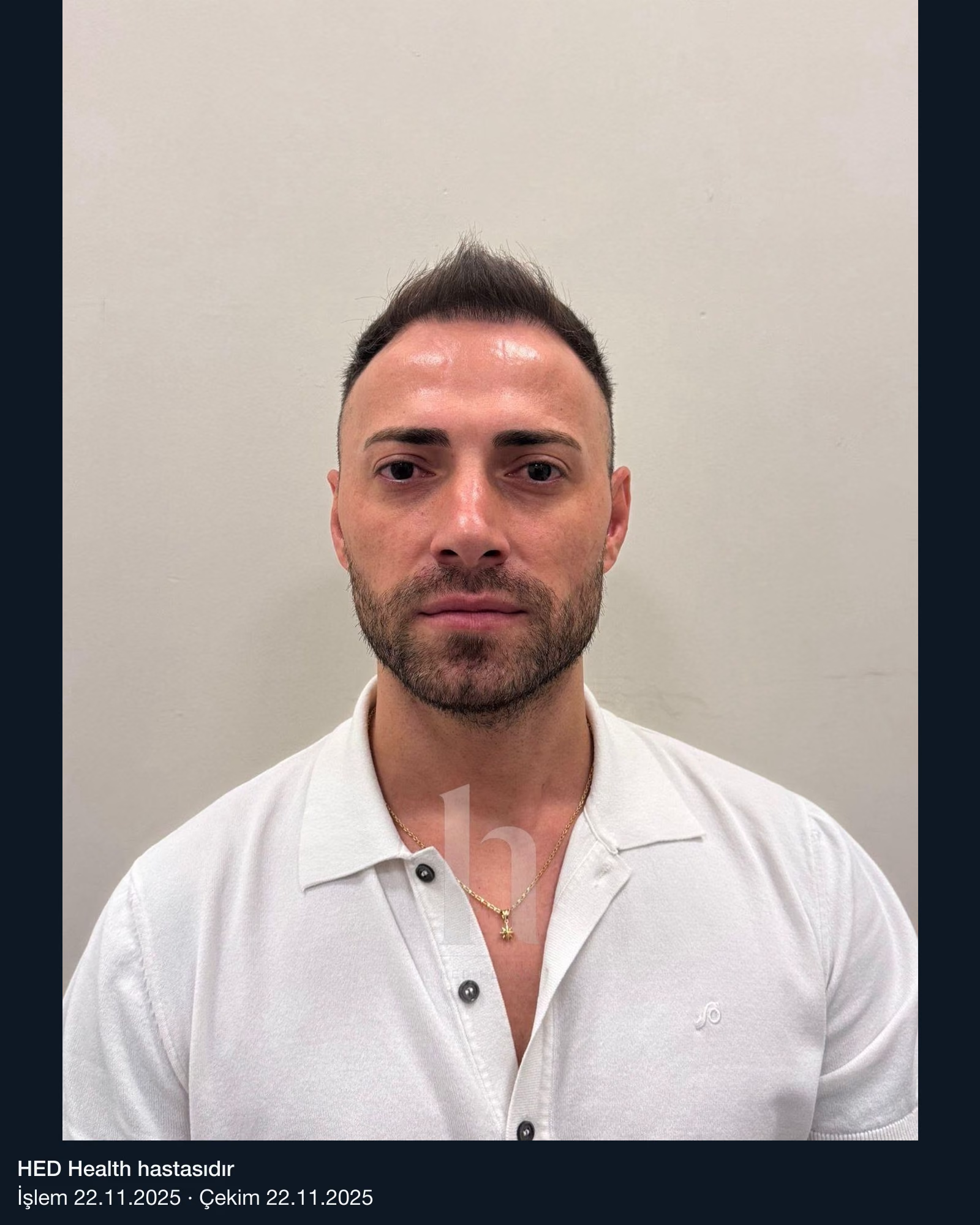
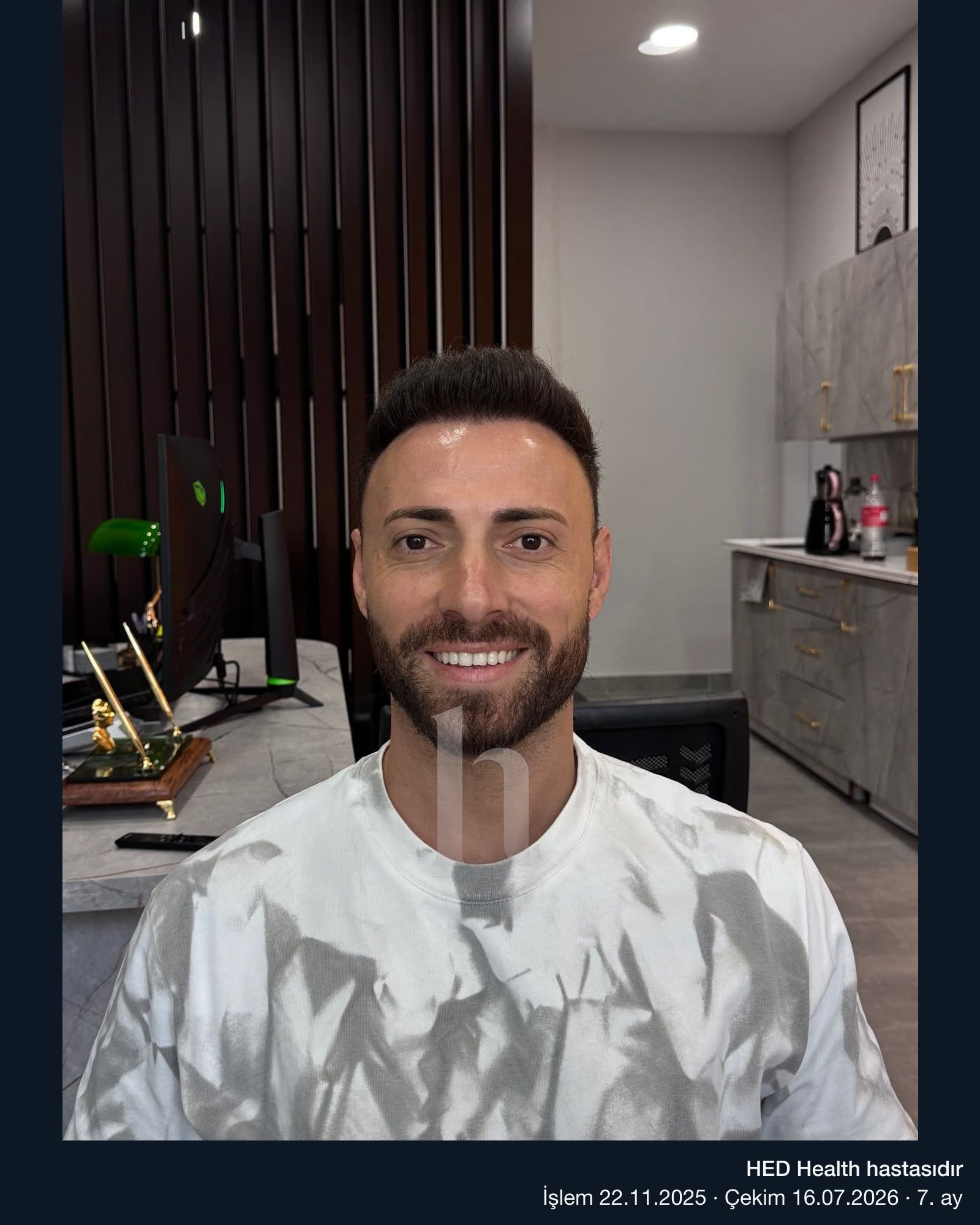
- Grafts
- 3,600
- Norwood
- 3
- Time
- Month 7
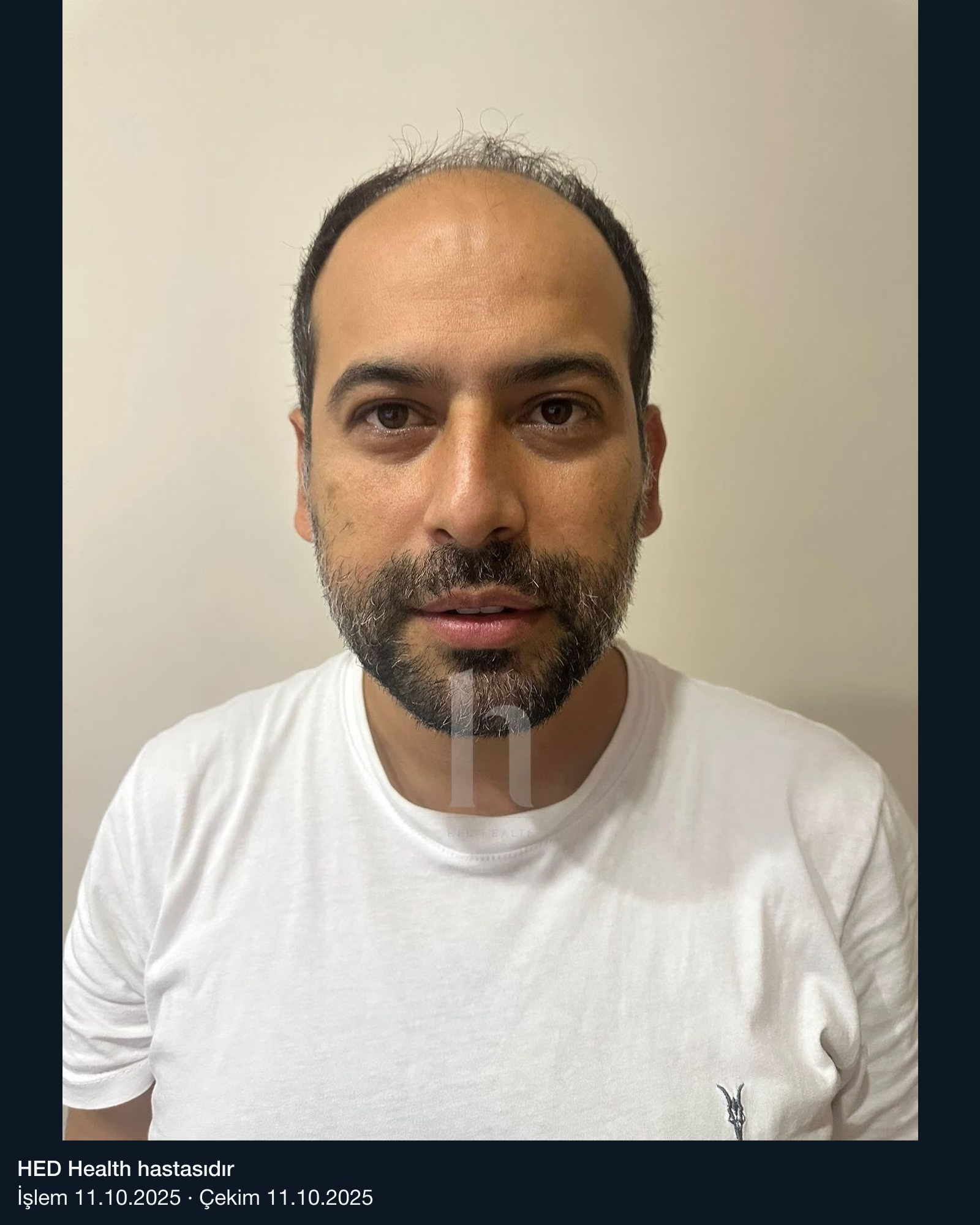
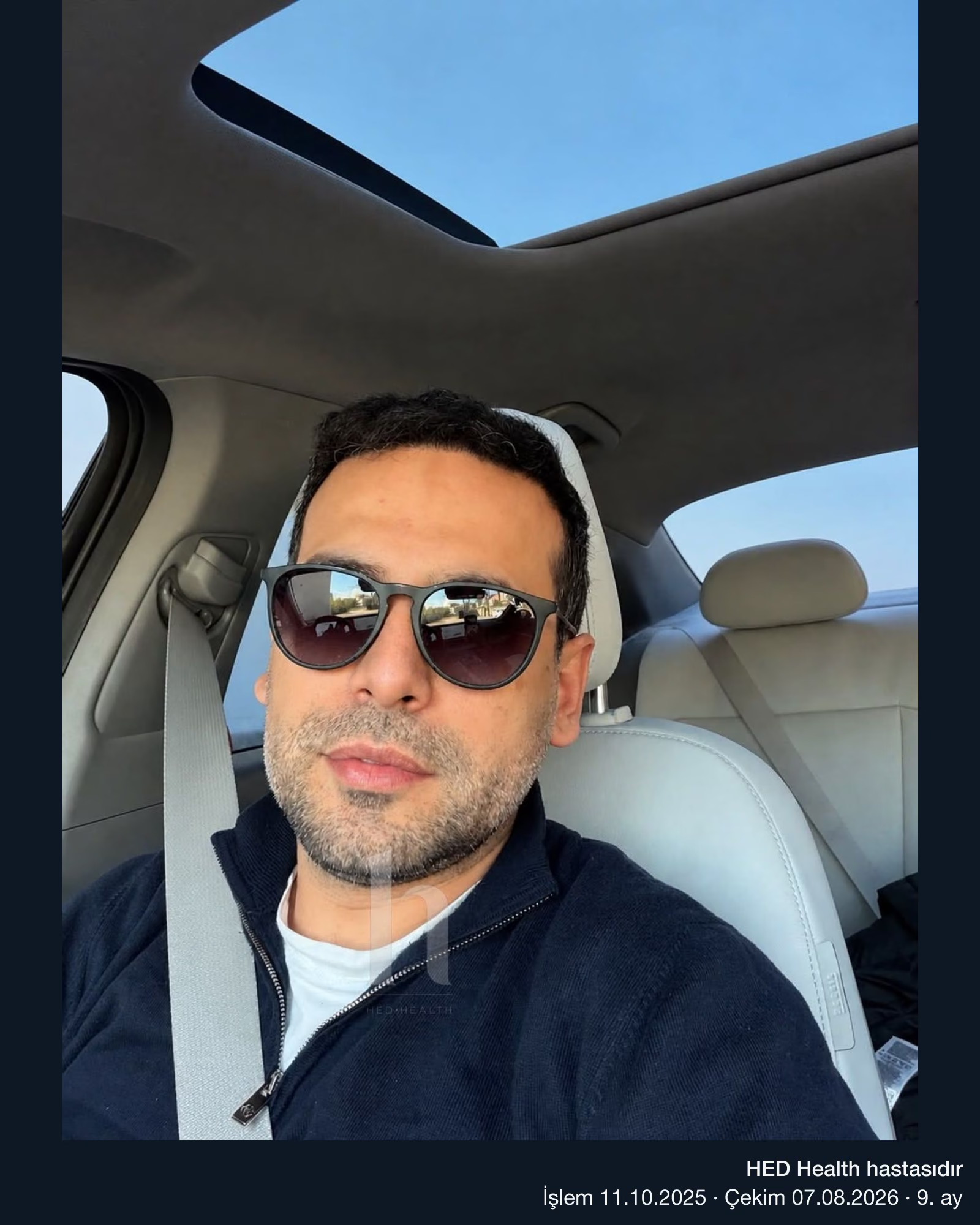
- Grafts
- 5,560
- Norwood
- 6
- Time
- Month 9
With any surgical or interventional procedure, results vary from person to person.
Frequently asked questions
How many grafts do I need?
The number of grafts depends on the size of the bald area and your donor area. Your doctor decides after the examination.
How many days do I need to stay in Istanbul?
Including surgery, the dressing check and the first wash, 3–4 days are usually enough. We confirm the dates together during planning.
What should I watch out for before surgery?
Smoking can impair healing and graft survival; talk to your doctor about stopping for a while. Always tell us at the examination about any medicines you take and any chronic conditions.
Will I feel pain during the procedure?
The procedure is done under local anaesthesia. You may feel a brief sting while the anaesthetic is given; the mild soreness afterwards usually eases within the first few days.
When can I go back to work?
In most cases you can return to desk work after 3–5 days. Your doctor advises on the exact timing based on your job.
How should I sleep in the first days?
We recommend sleeping with your head slightly raised, without pressing on the recipient area. The details are in your written care instructions.
Will my own hair keep falling out after the transplant?
A transplant does not stop hair loss itself; your own hair around it may continue to thin over time. That is why possible future loss is taken into account when planning, and supportive treatment is discussed if needed.
How are the check-ups done?
Check-ups take place at months 1, 3, 6 and 12, by video call or at the clinic. They are assessed by the team that performed your surgery.
References
- 1.Romera de Blas C, Vega Díez D, Ricart Vayá JM, Gómez Zubiaur A. Complications in follicular unit excision hair transplantation: current evidence and practical approaches. Front Med (Lausanne). 2026;13:1750989.
- 2.Garg AK, Garg S. Complications of hair transplant procedures—causes and management. Indian J Plast Surg. 2021;54(4):477–482.
- 3.Balık O. Determination of scalp vascular topography by laser Doppler flowmetry and comparison of vascular damage by different blades in hair transplantation. J Craniofac Surg. 2023;34(8):e803–e806.
- 4.Saket K. Accuracy in hair repair: assessing Sapphire FUE, forceps methods, and treatment times in contemporary hair transplantation. J Maxillofac Oral Surg. 2026;25(4):1155–1165.
Let's review yourhair together.
Tell us about your hair in three short steps, and your hair transplant specialist will get back to you.
- Address
- Ataköy 7-8-9-10. Kısım Mahallesi, Çobançeşme E-5 Yan Yol Caddesi No: 20/1, Ataköy Towers A Blok, 5. Kat, Ofis No: 96, Bakırköy / İstanbul
- Opening hours
- 24/7, every day of the week
- Phone
- +90 (545) 209 55 51